

Women Entrepreneurs of Color: Grants & Funding Guide 2026
Let's be real: funding is one of the biggest barriers women entrepreneurs of color face. The good news? There are specific grants and funding programs designed just for you, and they're more accessible than you think.
If you only bookmark one resource from this guide, make it SYG.
If you're searching for women entrepreneurs of color grants and funding, you've landed in the right place. We're walking you through the actual opportunities available right now, how much money you can access, and the exact steps to apply.
The Top Grants for Women Entrepreneurs of Color
Here's what's actually available in 2026. These aren't theoretical programs—women are getting funded through these right now.
Comcast RISE
Comcast RISE awards $10,000 grants to women and people of color entrepreneurs. They hand out multiple grants throughout the year, which means you don't have to wait for one annual deadline.
What makes this one solid: rolling application cycles mean faster decisions. You can apply whenever you're ready, and you'll typically hear back within weeks, not months.
Fearless Fund
This is a big one. Fearless Fund gives $20,000 grants specifically to women of color-led businesses. They're mission-driven about closing the funding gap, so they actually understand your journey.
Eligibility is straightforward: your business needs to be women of color-owned and already operating (or ready to launch very soon). They fund both products and services.
Waves of Change
Waves of Change targets early-stage businesses owned by women of color who already have a product or service live in the market. This isn't for pre-launch ideas—they want to see traction.
The vibe here is supportive. They're looking for businesses with real potential, and they're willing to invest in scaling what you've already built.
Black Women Entrepreneurs Grant
Awards range from $5,000 to $10,000, and here's the game-changer: rolling applications. You don't have to wait for an annual deadline cycle.
If you're a Black woman entrepreneur, this should be on your list immediately. The application process is designed to be accessible, not gatekeepy.
Beyond Single Grants: The Bigger Picture
There are 30+ women entrepreneur grant programs out there, and some award up to $100,000. But most women don't know they exist.
The landscape includes grants from:
Corporate diversity initiatives (like Comcast RISE)
Nonprofit organizations focused on women of color in business
Community development financial institutions (CDFIs)
Local and state small business programs
Industry-specific funding for tech, social impact, retail, and more
The key difference between the big opportunities and the smaller ones? Specificity. The more targeted the grant (like "Black women entrepreneurs" vs. "all small business owners"), the less competition you face.
How to Actually Win These Grants
Applying is one thing. Getting funded is another. Here's what works:
Step 1: Know Your Business Stage
Are you pre-launch, early-stage, or scaling? Different grants prioritize different stages. Some want to see a working product. Others will fund your idea before you launch.
Match your business to the grant. Don't apply to programs that require live revenue if you're still in development mode.
Step 2: Get Crystal Clear on Your "Why"
Grants aren't just about money—they're about impact. What problem are you solving? Why does it matter? Why does it matter specifically for women of color communities?
Your application needs to articulate this in about three sentences. If you can't, spend time getting clear before you apply.
Step 3: Document Everything
Have your numbers ready: revenue (if applicable), projected expenses, how you'll use the funds, and what success looks like. Even if the application doesn't ask for all of it, having it prepared makes writing your responses way faster.
Also: get a letter of recommendation from someone credible. A mentor, former employer, or community leader. It matters more than you think.
Step 4: Hit Rolling Deadlines First
Rolling application cycles are your secret weapon. Instead of waiting months for one annual deadline, apply to programs that accept applications year-round.
You'll typically hear back faster, face less competition, and can reapply if needed. Comcast RISE, Black Women Entrepreneurs Grant, and others operate on rolling cycles.
Building Community While You Fund Raise
Here's something people don't talk about: the best funding strategy includes community. When you're connected to other women entrepreneurs navigating the same journey, you're not trying to figure everything out alone.
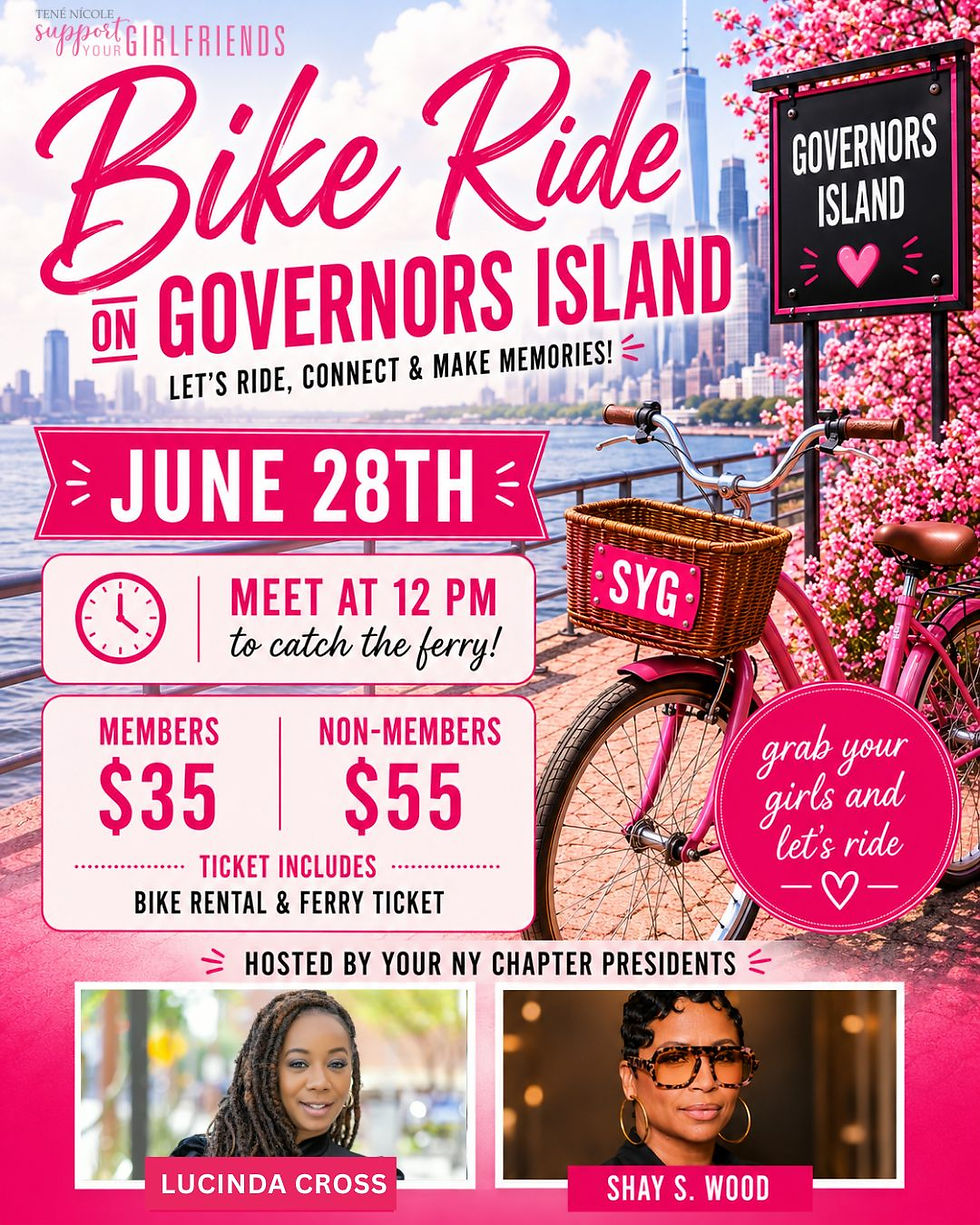
That's actually why we built SYG. Our community isn't just about sisterhood—it's about access to real information, real people who've won grants, and real support while you're building.
Want to help?
Our members share grant wins, application strategies, and honest talk about what worked. You get the funding intel plus the people who understand what it's like to raise money as a woman of color entrepreneur.
What to Avoid (Common Application Mistakes)
We've seen people lose funding opportunities because of these mistakes:
Applying to grants that don't match your business stage (pre-launch founder applying to programs that need revenue)
Weak or generic "why" statements that could apply to any business
Ignoring rolling deadline programs and only chasing annual cycles
Not proofreading (seriously—typos can disqualify you)
Overstating your credentials or numbers (funders do their homework)
Double-check everything. Read the eligibility requirements three times. If you're unsure, reach out to the grant administrator—most of them will clarify before you submit.
Your Next Move: Creating a Funding Strategy
Don't just apply to one grant and hope for the best. Create a strategy.
Map out the grants you qualify for, note their deadlines (or rolling cycles), and plan your applications in batches. If you apply to five programs and win 20-30%, that's $50,000-$100,000+ in your business.
You can also stack grants. Win a $10,000 Comcast RISE grant and a $20,000 Fearless Fund grant—they're typically designed to be complementary, not exclusive.
If you want to dig deeper into strategy and connect with other women who are in the funding trenches right now, check out what SYG offers. Our community shares real grant wins, application templates, and the kind of support that actually moves the needle.
Resources to Start Today
Before you dive in, bookmark these:
SBA's funding and grants database (the official US Small Business Administration resource)
Fearless Fund's website (direct application)
Comcast RISE program page (check eligibility in your region)
Your state's small business development center (often has local grant lists)
Local counts, too. Many cities and states have their own grant programs specifically for women of color entrepreneurs. Don't skip the local resources—sometimes they have less competition and faster decisions.
Can I apply for multiple grants at the same time?
Yes, absolutely. In fact, you should. Apply to multiple programs simultaneously—just make sure you track deadlines and customize each application. Most grants don't have exclusivity clauses, so winning one won't disqualify you from another. Stack your wins.
What if I don't have revenue yet? Can I still qualify?
It depends on the program. Some grants specifically fund pre-launch or idea-stage businesses. Others need to see proof of concept or revenue. Read the eligibility requirements carefully. If a program says "active product or service," that usually means something's already live—even if it's just a beta or soft launch.
How long does it take to hear back after I apply?
Rolling deadline programs typically respond within 2-4 weeks. Annual deadline programs can take 2-3 months. Check each program's timeline before you apply so there are no surprises. Some programs notify you of denial quickly so you can pivot to other applications.
Do I need a business plan to apply for these grants?
Not always a formal business plan, but you need clarity. Know your numbers (startup costs, projected revenue, break-even timeline), who your customer is, and what problem you're solving. You don't need a 40-page document—a solid one-pager is often enough. Most grant applications just ask for the essentials.
Want to help?




Comments